It is true. This blog entry has nothing to do with childbirth. BUT it has everything to do with those really cool emoticon trees, snowmen and other art done with your computer key board.
Wanna make a snowman?
__[-]__
.. (*>*)
. (.. : .. )
.( .. : . . )
Or perhaps a Christmas tree?
…………(¯`O´¯)
…………*./ | \ .*
…………..*♫*.
………, • '*♥* ' • ,
……. '*• ♫♫♫•*'
….. ' *, • '♫ ' • ,* '
….' * • ♫*♥*♫• * '
… * , • Merry' • , * '
…* ' •♫♫*♥*♫♫ • ' * '
' ' • Christmas . • ' ' '
' ' • ♫♫♫*♥*♫♫♫• * ' '
…………..x♥x
…………….♥
For ALL of the cool designs and secrets, visit
http://facebook-emoticons-symbols.blogspot.com/2009/04/basic-symbols-key-alt.html
Tuesday, December 21, 2010


Wednesday, December 15, 2010
Unsuspecting Doulas
If you are aware of randomized control trials or the Cochrane Review, then you already know the years...no, decades of research documenting the profound benefits of doula care before, during and after labor/birth.
Take a moment, however, to examine the very simple and amazing impact of doulas ~ companionship.
Mankind was never meant to experience life alone. From the very beginnings, we were given friends, companions, helpmates, mates...the list goes on. Why? Because sometimes life is difficult. Life is a challenge or series of challenges and really, who wants to experience those challenges alone? Often a challenge not only stretches us physically, but emotionally and spiritually as well! And when those challenges approach the "overwhelming" point, there is definitely strength in numbers!
But if you have ever breathed, you have already experienced doula care in some form or another. Here are some examples of doulas in our every day life:
When you were about 2 and wanted your mom or dad to be with you in the bathroom, especially when you flushed.
On the play ground when you were 5. It was funner to have a playmate than play alone.
In 4th grade, it was nice to have a buddy to go to run errands for the teacher in school than walk through those scary halls alone.
Sleep-overs in middle school and high school.
In football, it is wonderful to have someone block for you!
The first time you put gas into a car.
Freeways have signs that say HOV ~ high occupancy vehicles.
Even a friend who proof-reads a paper for you.
While these are just a few of the "go with me", "help me" moments in life, I am certain you have some of your own. We live in towns and communities. We are meant to be in contact and friendship with others. They help us and we help them.
So yes, there is evidence-based proof that doula care is beneficial for positive outcomes in labor and birth. But deep down in your heart, you know that having a compassionate companion with you during an exceptional life experience makes that life experience easier.
You know that investing in another not only brings joy and calm to that person but to you too.
Your life is richer and so is theirs.
So is it really any wonder why doulas make a difference?
Take a moment, however, to examine the very simple and amazing impact of doulas ~ companionship.
Mankind was never meant to experience life alone. From the very beginnings, we were given friends, companions, helpmates, mates...the list goes on. Why? Because sometimes life is difficult. Life is a challenge or series of challenges and really, who wants to experience those challenges alone? Often a challenge not only stretches us physically, but emotionally and spiritually as well! And when those challenges approach the "overwhelming" point, there is definitely strength in numbers!
But if you have ever breathed, you have already experienced doula care in some form or another. Here are some examples of doulas in our every day life:
When you were about 2 and wanted your mom or dad to be with you in the bathroom, especially when you flushed.
On the play ground when you were 5. It was funner to have a playmate than play alone.
In 4th grade, it was nice to have a buddy to go to run errands for the teacher in school than walk through those scary halls alone.
Sleep-overs in middle school and high school.
In football, it is wonderful to have someone block for you!
The first time you put gas into a car.
Freeways have signs that say HOV ~ high occupancy vehicles.
Even a friend who proof-reads a paper for you.
While these are just a few of the "go with me", "help me" moments in life, I am certain you have some of your own. We live in towns and communities. We are meant to be in contact and friendship with others. They help us and we help them.
So yes, there is evidence-based proof that doula care is beneficial for positive outcomes in labor and birth. But deep down in your heart, you know that having a compassionate companion with you during an exceptional life experience makes that life experience easier.
You know that investing in another not only brings joy and calm to that person but to you too.
Your life is richer and so is theirs.
So is it really any wonder why doulas make a difference?
Tuesday, December 14, 2010
Congratulations to DONA ~ the new introductory video!
If you are viewing this on Facebook, please go to my blog, www.childbirthtoday.blogspot.com! And if you have RealPlayer on your computer, you can easily download this video for future use.
Wednesday, December 01, 2010
The 3 1/2 Minute Cheer For Your
For all of the childbirth educators and doulas I have trained in the past 14 years or so....I can't always be there to cheer you on. And if I didn't lead your seminar or workshop, you also may need some support! I have found that many people need this, especially in the winter time...when the sun is not out as much and when we cannot go out as much to clear our heads and our hearts.
I found this video on You Tube and found it very encouraging - so I thought I would share it with you. If you see this blog notification on Facebook, please go to my blog at http://www.childbirthtoday.blogspot.com/ to see the video!
I found this video on You Tube and found it very encouraging - so I thought I would share it with you. If you see this blog notification on Facebook, please go to my blog at http://www.childbirthtoday.blogspot.com/ to see the video!
Tuesday, November 30, 2010
Why We Need To Take Pregnancy & Mother/Baby Health Seriously

As the year 2010 begins to close and a new year is on the horizon, we need to ramp up our efforts and make turn our talking into doing.
In the US, the Healthy People 2020 has many of the same objectives that were written in the Healthy People 2010 edition. Why? Because we didn't meet the objectives. We didn't better maternal deaths in this country, didn't improve access to prenatal care, didn't increase the number of women attending childbirth education classes, and we didn't reach the breastfeeding objectives.
However, we still do not stress the importance of prenatal care ~ we care too much which celeb is expecting and what she is wearing. We still allow physicians to tell our clients that the clients don't need to attend childbirth education classes or even Doulas as the epidural will take care of the pain even tho epidurals often contribute to a cascade of interventions with a wide variety of side effects...and not all of them good. These women still present in labor with little knowledge of their bodies, the physiology of the birth process, the response of the body to labor and the importance of skin-to-skin contact and breastfeeding immediately following birth.
We still have nurses and residents who receive little or no information on how to support women who choose to have natural childbirths. In the long term, this has forced some women to seek out homebirths ~ some in states with no regulation of certified professional midwives. Since these states have no legislation or licensing, homebirth is neither legal or illegal - it is alegal, meaning that all is well as long as nothing happens. If something should happen, the midwife can be arrested. And if there is no legislation or licensing or quality of information regarding homebirth, the unsuspecting public has no way of knowing if their midwife has proper education, training, mentoring, or carries the proper equipment. This, then, puts mothers and babies in more risk.
If we spent money on helping employers have worksite lactation programs, OR lunch-time childbirth education, OR train more professionals about facilitating normal birth OR helping more hospitals become baby friendly, OR promoted state legislation that would guarantee the safety of homebirth in ALL states, rather than making "What to Expect When You Are Expecting" into a movie, I just feel more women and babies would benefit.
I just feel we need to take pregnancy and mother/baby health more seriously.
Wednesday, November 24, 2010
Monday, November 15, 2010
Psychoprophylaxis: Not Just For Dads or Partners with Tocophobia!
New research, presented in a doctoral thesis from the Swedish Medical University Karolinska Institutet, shows that psychoprophylaxis can help men with tocophobia (fear of childbirth). The thesis, which is to be presented on Nov. 12, also shows that although psychoprophylaxis generally has no effect on the experience of childbirth for women or men, its actual use during delivery seems to reduce the risk of emergency C-section.
If this is a true translation of the thesis, then in my humble opinion, it is contradictory on so many levels.
The psychoprophylactic method or PPM was an integral part of the Lamaze Techniques from early on, especially as it was a part of the original name of Lamaze. Lamaze was previously known as ASPO or ASPO Lamaze, with ASPO being short for the American Society of Psychoprophylaxis in Obstetrics. And while the article/thesis goes on to point out that the psychoprophylactic method generally has no effect on the experience of childbirth, all one has to do is research Lamaze or the psychoprophylactic method to find a myriad of research to substantiate its effectiveness.
But let's break it down. Psycho means mind and prophylaxis means prevention. Thus the psychoprophylactic method prevents the mind from dwelling on the intensity of the contractions my giving the mind something else to do (breathing, effleurage, focusing, guided imagery etc). Additionally, learned techniques of the psychoprophylactic method are also comfort measures that documentable medical research has shown to be highly beneficial in reducing the sensation of pain during labor and birth.
In today's society, the element of fear, as discussed in this thesis is one of the overriding factors in women allowing interventions during labor and birth: fear of the unknown, fear of pain, fear of unpleasant outcomes. While NO ONE can promise a lack of unpleasant outcomes, the use of psychoprophylactic methods can assist in the woman remaining in control ~ which research has shown to be important to a woman's perception of her childbirth experience. Again and again, evidence exists that demonstrates that women who were active participants in their birth process were much more satisfied with the experience than women who expected to rely on their physicians and on interventions including medications.
The doctoral student, Malin Bergstrom, also stated "This is important, as these men are easily neglected, and if they don't receive help the chances are that they won't tell anyone about their fears. Apart from the personal effect this has, it is also possible that this affects their relationship with the mother and child."
My question is why are not the MOTHERS the focus of this study?
Yes, it is vital that partners of childbearing women become prepared for birth and their fears and anxiety alleviated.
However, with only less than 33% of expectant mothers OR partners attending childbirth education classes, it seems only right to include the mothers who will be in labor.
What about the studies that show that fear, stress and anxiety in the laboring mother has a profound effect on the labor and health of the baby?
Childbirth is a safe and normal life event. Childbirth is NOT a health crisis. Neglecting to address birth in both educational and informative ways is a sin of which too many are guilty.
If this is a true translation of the thesis, then in my humble opinion, it is contradictory on so many levels.
The psychoprophylactic method or PPM was an integral part of the Lamaze Techniques from early on, especially as it was a part of the original name of Lamaze. Lamaze was previously known as ASPO or ASPO Lamaze, with ASPO being short for the American Society of Psychoprophylaxis in Obstetrics. And while the article/thesis goes on to point out that the psychoprophylactic method generally has no effect on the experience of childbirth, all one has to do is research Lamaze or the psychoprophylactic method to find a myriad of research to substantiate its effectiveness.
But let's break it down. Psycho means mind and prophylaxis means prevention. Thus the psychoprophylactic method prevents the mind from dwelling on the intensity of the contractions my giving the mind something else to do (breathing, effleurage, focusing, guided imagery etc). Additionally, learned techniques of the psychoprophylactic method are also comfort measures that documentable medical research has shown to be highly beneficial in reducing the sensation of pain during labor and birth.
In today's society, the element of fear, as discussed in this thesis is one of the overriding factors in women allowing interventions during labor and birth: fear of the unknown, fear of pain, fear of unpleasant outcomes. While NO ONE can promise a lack of unpleasant outcomes, the use of psychoprophylactic methods can assist in the woman remaining in control ~ which research has shown to be important to a woman's perception of her childbirth experience. Again and again, evidence exists that demonstrates that women who were active participants in their birth process were much more satisfied with the experience than women who expected to rely on their physicians and on interventions including medications.
The doctoral student, Malin Bergstrom, also stated "This is important, as these men are easily neglected, and if they don't receive help the chances are that they won't tell anyone about their fears. Apart from the personal effect this has, it is also possible that this affects their relationship with the mother and child."
My question is why are not the MOTHERS the focus of this study?
Yes, it is vital that partners of childbearing women become prepared for birth and their fears and anxiety alleviated.
However, with only less than 33% of expectant mothers OR partners attending childbirth education classes, it seems only right to include the mothers who will be in labor.
What about the studies that show that fear, stress and anxiety in the laboring mother has a profound effect on the labor and health of the baby?
Childbirth is a safe and normal life event. Childbirth is NOT a health crisis. Neglecting to address birth in both educational and informative ways is a sin of which too many are guilty.
Tuesday, November 09, 2010
Risky Business ~ 27 Years of Coopted Childbirth Education
When Eugene DeClercq wrote in the fall of 1983 in the Birth Journal, "The Politics of Co-optation: Strategies for Childbirth Educators", I was riveted to my seat as I read. This man seemed to have a direct vision to the future.
Now, 27 years later, I am convinced that he did.
That tragedy of co-optation has come true. First seen as a marketing gold mine, hospitals jumped on the childbirth education providing wagon with unimaginative speed. Some chose to have their nurses obtain certification by childbirth organizations, while some handed the labor/delivery nurses a script (not even a curriculum) with exactly what should be said. Others hired certified educators specifically for the task ~ in some communities these educators where nurses. In others, the only requirement was childbirth education certification. Add to the low cost of hospital based childbirth classes free car seats and steak dinners (popular in the 1980s), and why would anyone register for a childbirth class taught by an independent or community educator who charged more and offered less?
You do not have to be a nurse to be a great childbirth educator.
Many nurses are not good childbirth educators.
Nursing schools do not prepare you to educate.
As the decades rolled by, the essence of prepared childbirth ~ education, relaxation and happier/healthier moms and babies began to wane. Intervention rates rose as did the maternal/infant morbidity rates nationwide.
Some hospitals put pressure on childbirth education departments to keep their revenue high and their budgets in the profit margin, while watering down the curriculum to appease those that have a final say over what is said in the classes. In many hospitals, those people are the physicians. To counter this, some childbirth education managers together with their educators, created binders with topics covered in class and the documentation/evidence based research that substantiated what was said…often from obstetrical journals.
Am I totally against hospital-based childbirth education classes? The answer is an emphatic NO. I have taught childbirth education for many hospitals à those that espouse to teach childbirth education from the risk/benefits point of view and whose managers are not afraid to back their educators when the educators teach evidence-based, current information. Yes, those hospitals do exist!
Colateral damage to this co-optation tale are the alarming number of press releases lately of hospitals discontinuing classes or downsizing or retooling their childbirth education departments. Guess what? Childbirth education classes are not money makers. Who knew?
The victims of this economic conundrum are not only the expectant parents who lose the option of convenient childbirth education classes, but also the newborns who may suffer the consequences of domino effect of lack of education.
As Linda J. Smith said in her book Impact of Birthing Practices on Breastfeeding:
“Solid scientific evidence shows that minimizing interventions in birth and policies that preserve normalcy are associated with faster, easier births; healthier, more active and alert mothers and newborns; and mother-baby pairs physiologically optimally ready to breastfeed. In addition to the quantifiable evidence is the cumulative wisdom of women who know that normal childbirth and breastfeeding go together.”
The time has come for a resurgence in independent and community based childbirth education. As when I began teaching in 1979, the road is not a smooth one and if you decide this is a road for you to follow, be prepared to work hard, market hard, and don’t be boring. You don’t have to have flashy charts, an expensive pelvis, or costly videos. I began with homemade charts & handouts (hand drawn as there were no computers), a knitted uterus and a doll from the local toy store. Parents learned. Parents were educated. And mothers surged through labor and birth with a sense of empowerment, being in control and preserving the sacred space for birth.
Tuesday, November 02, 2010
Teaching With The 6 Healthy Birth Practices ~ Begin the Wave!!!!!!
As a childbirth educator, I am always looking for the highest quality (and, admittedly the most economical) supplemental class materials for my clients. In the past, I have borrowed from others but mostly created my own. Now there are professionally developed print handouts and video segments that are free to any childbirth educator, no matter what your organizational affiliation is.
The Lamaze Healthy Birth Practices That Support Normal Birth are located on two websites, depending on your learner needs. The Mother's Advocate website has a unique collection of professional handouts ~ the Six Steps to a Safer Birth, which can either be printed/downloaded as one 18 page PDF or individually. This website also has 12 additional handouts including a listing of references, which comes in really handy if you are asked to support what you teach/say with evidence-based research. PLUS, this website has FREE access to video segments that go along with the Six Steps. If you have a program such as Real Player, you can download these video segments directly to your computer and then show these to your clients. If this is not possible, you can purchase a DVD with all of the segments for $12.95 (US) from Injoy Videos.
Lamaze International also have the same information as listed above (except the video for sale). Common sense tells us and research confirms that the Six Lamaze Healthy Birth Practices featured in these video clips and print materials are tried-and-true ways to make birth as safe and healthy as possible.
The only things holding women back from practicing all of the Healthy Birth Practices are hospital policy/procedure committees catching up with current evidence-based information AND a woman's trust in her own body. All too often, when policies/procedures lag behind current research, this can interfere with not only expectant mothers being granted requests for normal birth care but also the employed care providers being made aware of the current research. Too often, care providers rely on their employer to supply them with the updates on research. A lack of research communication within a facility can severely slow down the access expectant mothers have to current evidence-based care.
Womens' fear about childbirth and lack of trust in their own bodies are fed not only by the lack of information or answers to questions from childbirth educators, but also the constant message from the media (particularly the cable birth shows) that birth is always a crisis that needs intervention and that the most dangerous journey a baby will take is the 4.5 inches down the birth canal.
Sadly, when all of these factors are working in harmony, the result is a stagnation in maternity care, a stagnation in the improvement of maternity care and a health care quagmire.
By disseminating the Six Healthy Birth Practices to not only maternity health care professionals but also expectant parents, we can begin the wave of change. But just as in any crowd where the "real" wave starts, if some people in the line choose not to continue the wave, it will often not continue. Don't be the weakest link ~ no matter what your organizational affiliation, print off and refer to the free information as listed above.
Be the wave...be the change...
The Lamaze Healthy Birth Practices That Support Normal Birth are located on two websites, depending on your learner needs. The Mother's Advocate website has a unique collection of professional handouts ~ the Six Steps to a Safer Birth, which can either be printed/downloaded as one 18 page PDF or individually. This website also has 12 additional handouts including a listing of references, which comes in really handy if you are asked to support what you teach/say with evidence-based research. PLUS, this website has FREE access to video segments that go along with the Six Steps. If you have a program such as Real Player, you can download these video segments directly to your computer and then show these to your clients. If this is not possible, you can purchase a DVD with all of the segments for $12.95 (US) from Injoy Videos.
Lamaze International also have the same information as listed above (except the video for sale). Common sense tells us and research confirms that the Six Lamaze Healthy Birth Practices featured in these video clips and print materials are tried-and-true ways to make birth as safe and healthy as possible.
The only things holding women back from practicing all of the Healthy Birth Practices are hospital policy/procedure committees catching up with current evidence-based information AND a woman's trust in her own body. All too often, when policies/procedures lag behind current research, this can interfere with not only expectant mothers being granted requests for normal birth care but also the employed care providers being made aware of the current research. Too often, care providers rely on their employer to supply them with the updates on research. A lack of research communication within a facility can severely slow down the access expectant mothers have to current evidence-based care.
Womens' fear about childbirth and lack of trust in their own bodies are fed not only by the lack of information or answers to questions from childbirth educators, but also the constant message from the media (particularly the cable birth shows) that birth is always a crisis that needs intervention and that the most dangerous journey a baby will take is the 4.5 inches down the birth canal.
Sadly, when all of these factors are working in harmony, the result is a stagnation in maternity care, a stagnation in the improvement of maternity care and a health care quagmire.
By disseminating the Six Healthy Birth Practices to not only maternity health care professionals but also expectant parents, we can begin the wave of change. But just as in any crowd where the "real" wave starts, if some people in the line choose not to continue the wave, it will often not continue. Don't be the weakest link ~ no matter what your organizational affiliation, print off and refer to the free information as listed above.
Be the wave...be the change...
Monday, October 25, 2010
Do you use Aromatherapy? If not, consider this...
| Aromatherapy is the use of pure essential and absolute oils derived from plants. The word "aromatherapy" was first used in the 1920's by a French perfumer named Rene Gattfosse. The use of the word "therapy" gives the impression of the need for treatment of an illness. Aromatherapy is the use of essential oils from plants. Aromatherapy oils can not only be used as inhalants but they can also be massaged into the skin. The essential oils used in aromatherapy are concentrated extracts taken from the roots, leaves, or blossoms of plants. Each essential oil contains its own mix of active ingredients, and this mix determines the healing properties of the oil. Some oils promote physical healing-for example, some are able to relieve swelling. Others are used for their emotional value, such as lavender, as they may encourage relaxation or make a room smell nice. The essential oil derived from orange blossom, for example, contains a large amount of ester, an active ingredient thought to induce a calming effect. It is not fully understood how or why essential oils produce the effects that they do. One obvious way that essential oils work is through the sense of smell. This sense is incredibly powerful-according to some estimates, about 10,000 times stronger than any other sense. The "smell" receptors in your nose communicate with two structures that are embedded deep in your brain and serve as storehouses for emotions and memories. These structures are called the amygdala and hippocampus. When essential oil molecules are inhaled, they affect these parts of the brain directly. Researchers believe that stimulation of these structures can affect our physical, emotional, and mental health. It is also known that breathing in essential oils can affect the respiratory system. For example, certain oils from the eucalyptus plant are able to clear sinuses and prevent respiratory infections. Thus, the reason why Halls Mentholyptus and Vicks are so popular during cold and flu season. Aromatherapy massage is a popular way of using essential oils, because it works in numerous ways at the same time: it produces benefits from absorbing the oils into the skin, from inhaling the oil's vapors, and from the physical therapy of the massage process itself. We have two new aromatherapy lines now at www.birthsource.com. Cappriccio Aromatics is a unique blend of aromatherapy oils made especially for women in labor - there is the Early Labor Blend, Active Labor Blend, Transition Blend and Stage 2 Pushing Blend! Also, we carry a limited supply of the Aura Cacia line! Just click on the Aromas & More category on our website for all of the latest additions! |
Monday, October 18, 2010
Striking The Right Cord in CBE Classes
One of the thoughts that hovers in my mind a lot is: why don't more expectant parents attend childbirth education classes. Now, I am of the belief that expectant parents will get something out of any childbirth education class they attend ~ but is the information more "harmful" than helpful is my next question.
This is not to insinuate that any childbirth educator teaches harmful things. No, please don't misconstrue. Perhaps I should say it is the way that certain topics are presented, the time spent or NOT spent on other topics...this is what can be harmful.
Here are some examples:
Susie The Childbirth Educator has been teaching independent classes for nearly 15 years. Her feelings is that since labor and birth basically do not change, what she presents in her classes does not have to change either. Babies still come out either vaginally or by cesarean surgery. Susie does not change the curriculum to fit the needs of the individual learners in the class and side-steps specific questions when her well-learned clients ask about some of the events happening in the birth world such as placenta encapsulation or delayed cord clamping. Susie's answer is "those are questions to ask your careprovider".
Bev The Childbirth Educator has been teaching classes in a hospital environment for 6 years. She learned much of how she teaches from the other educators in her department and what she teaches from the curriculum presented to her. Her classes sound very much like this: "When you arrive, we'll take you upstairs and we'll help you get settled into one of our rooms". "We will hook you up to the EFM to get a reading to make sure that the baby is tolerating labor properly". "Once the cervix has dilated to 10 cms (not centimeters but "cms"), your nurse will give you permission to push".
Both Susie and Bev have essentially disempowered the women and their partners in their respective childbirth classes. How? Susie, by not staying current in childbirth education, displays an air of "it doesn't matter". She then counts on the care providers' 6-10 minute appointment with the expectant parents to fulfill this educational gap, which may or may not happen. Parents may then put their questions in the "its too hard to learn about" pile and may not show up at the next class. Bev, on the other hand, disempowers those in her class by implying that the mind/body/spirit connection between mother/partner/baby is not functioning and that medical intervention of some kind is necessary for the baby to move down the most dangerous 4 inches in the world ~ the mother's birth canal. Fear, then, may keep expectant parents from continuing the class series.
Ok, the last comments may have been a bit dramatic, I agree. But do you see how important words and how they are crafted during a childbirth class can make a desired or undesired impact on not only the thought processes but also the emotions and confidence of expectant parents?
I challenge you, as childbirth educators, to take a strong look at your curriculum AND how you phrase topics in your childbirth class. I challenge you to take a look at one topic at a time and figure a way to make that topic more empowering. When you do this, you will find that the responses to your classes will be well worth your time!
This is not to insinuate that any childbirth educator teaches harmful things. No, please don't misconstrue. Perhaps I should say it is the way that certain topics are presented, the time spent or NOT spent on other topics...this is what can be harmful.
Here are some examples:
Susie The Childbirth Educator has been teaching independent classes for nearly 15 years. Her feelings is that since labor and birth basically do not change, what she presents in her classes does not have to change either. Babies still come out either vaginally or by cesarean surgery. Susie does not change the curriculum to fit the needs of the individual learners in the class and side-steps specific questions when her well-learned clients ask about some of the events happening in the birth world such as placenta encapsulation or delayed cord clamping. Susie's answer is "those are questions to ask your careprovider".
Bev The Childbirth Educator has been teaching classes in a hospital environment for 6 years. She learned much of how she teaches from the other educators in her department and what she teaches from the curriculum presented to her. Her classes sound very much like this: "When you arrive, we'll take you upstairs and we'll help you get settled into one of our rooms". "We will hook you up to the EFM to get a reading to make sure that the baby is tolerating labor properly". "Once the cervix has dilated to 10 cms (not centimeters but "cms"), your nurse will give you permission to push".
Both Susie and Bev have essentially disempowered the women and their partners in their respective childbirth classes. How? Susie, by not staying current in childbirth education, displays an air of "it doesn't matter". She then counts on the care providers' 6-10 minute appointment with the expectant parents to fulfill this educational gap, which may or may not happen. Parents may then put their questions in the "its too hard to learn about" pile and may not show up at the next class. Bev, on the other hand, disempowers those in her class by implying that the mind/body/spirit connection between mother/partner/baby is not functioning and that medical intervention of some kind is necessary for the baby to move down the most dangerous 4 inches in the world ~ the mother's birth canal. Fear, then, may keep expectant parents from continuing the class series.
Ok, the last comments may have been a bit dramatic, I agree. But do you see how important words and how they are crafted during a childbirth class can make a desired or undesired impact on not only the thought processes but also the emotions and confidence of expectant parents?
I challenge you, as childbirth educators, to take a strong look at your curriculum AND how you phrase topics in your childbirth class. I challenge you to take a look at one topic at a time and figure a way to make that topic more empowering. When you do this, you will find that the responses to your classes will be well worth your time!
Wednesday, October 06, 2010
The Perfect Addition to A CBE or Doula's Lending Library
(If you are reading this as a Note on Facebook, please go to www.childbirthtoday.blogspot.com to see the interview!)
The new Parent Talk Game is the perfect addition to any childbirth educator or doula's lending library!
The brainchild of real-life parents Juliette and Michael Reynolds, The Parent Talk Game is designed to start the conversation about having children and raising them! This game is 100% interactive and wonderfully imaginative ~ working with over 150 multiple choice cards, trump cards and a great blue/pink game board.
Listen to my interview with game creator, Juliette Reynolds!
The new Parent Talk Game is the perfect addition to any childbirth educator or doula's lending library!
The brainchild of real-life parents Juliette and Michael Reynolds, The Parent Talk Game is designed to start the conversation about having children and raising them! This game is 100% interactive and wonderfully imaginative ~ working with over 150 multiple choice cards, trump cards and a great blue/pink game board.
Listen to my interview with game creator, Juliette Reynolds!
Tuesday, October 05, 2010
Reflections from the 2010 Lamaze/ICEA Mega Conference
It was indeed humbling to be in Milwaukee this past weekend, attending the Lamaze/ICEA Mega Conference. To be in the very city that birthed organizational birth some 50 years ago was thrilling. Sharing that feeling with nearly 700 other childbirth professionals of varying ages and experience levels, too, was inspiring.
As I sat amidst the glitz and glam of the 50th Anniversary luncheon ~ complete with recognition of past organizational presidents (minimal at best), and a multi-media celebration with an interview with Lamaze founder Elizabeth Bing, I couldn't help but reflect on those wo/men in birth who had made the Top 10 on my list.
Now absent from the festivities was Harriet Palmer, the ASPO (American Society for Psychoprophylaxis in Obstetrics) trainer who lead my educator seminar some 30 years ago in Fresno. Not in attendance was Alice Berman, the voice of ASPO/Lamaze during the transitional period from ASPO to Lamaze and editor of Genesis. Missing from the crowd was Polly Perez, a tireless volunteer in those transformational days of Education, Advocacy and Reform! However, I did catch a glimpse of two icons at the table in front of me: Joyce Difranco and Sandra Apgar Steffes, nor the dedicated Sigrid Nelson Ryan. These two women made a huge impact on the history of birth as they were two of the most prolific writers of birth in the 80's and 90's when childbirth was but cutting its new teeth! Another childbirth educator and writer from the 1980's and beyond too was missing ~ Sherry Lynn Jimenez. Absent was Eugene Declerqc, the champion of the independent educator in the 1980s when childbirth education was being co-opted into the hospital setting and in many aspects watered down. And there was no mention of Sharron S. Humenick and Francine Nichols, who penned the quintessential Biblical-equivelant text for childbirth educators--> Childbirth Education: Practice, Research and Theory. The Journal of Perinatal Education was the brainchild of Nichols and Humenick, one of its editors.
While there are countless more who have inspired us throughout our careers, it would have been great to acknowledge their years, and decades of hard work, sweat and tears for a cause we all embrace. From "Nan" the educator featured in one of the only childbirth films of the 70s, Nan's Class, to Dr. Roberto Caldeyro-Barcia [an internationally renowned research perinatologist, Director of the Latin American Center for Perinatology and Human Development, a unit of the World Health Organization, and President-Elect of the International Federation of Gynecologists and Obstetricians (FIGO)] to Ricki Lake, who catapulted birth back into common day conversation, recognition would have been welcomed. And last but not least, where was the accolades for Doris Haire, whose book The Cultural Warping of Childbirth was stunning for the birth community as was her testimony on April 17, 1978 before the Subcommittee on Health and Scientific Research of the Committee on Human Resources of the U.S. Senate, her testimony on July 30, 1981 before the Subcommittee on Investigations and Oversight of the Committee on Science and Technology of the House of Representatives, and her 1982 report "How the FDA Determines the 'Safety' of Drugs — Just How Safe is 'Safe'?" As Estelle Cohen of the Alliance for the Improvement of Maternity Services points out, "Mrs. Haire has called the administration of drugs to women in labor and delivery "obstetric roulette." The section on obstetric drugs in her 1982 report ought to be read by every expectant mother because most of our births are still not drug-free."
We do need to honor the work that these amazing men and women have done to bring us where we are today and inspire us to continue our work tomorrow. I challenge you to Google the names I have listed here - it will make for some really good reading, I guarantee it!
As I sat amidst the glitz and glam of the 50th Anniversary luncheon ~ complete with recognition of past organizational presidents (minimal at best), and a multi-media celebration with an interview with Lamaze founder Elizabeth Bing, I couldn't help but reflect on those wo/men in birth who had made the Top 10 on my list.
Now absent from the festivities was Harriet Palmer, the ASPO (American Society for Psychoprophylaxis in Obstetrics) trainer who lead my educator seminar some 30 years ago in Fresno. Not in attendance was Alice Berman, the voice of ASPO/Lamaze during the transitional period from ASPO to Lamaze and editor of Genesis. Missing from the crowd was Polly Perez, a tireless volunteer in those transformational days of Education, Advocacy and Reform! However, I did catch a glimpse of two icons at the table in front of me: Joyce Difranco and Sandra Apgar Steffes, nor the dedicated Sigrid Nelson Ryan. These two women made a huge impact on the history of birth as they were two of the most prolific writers of birth in the 80's and 90's when childbirth was but cutting its new teeth! Another childbirth educator and writer from the 1980's and beyond too was missing ~ Sherry Lynn Jimenez. Absent was Eugene Declerqc, the champion of the independent educator in the 1980s when childbirth education was being co-opted into the hospital setting and in many aspects watered down. And there was no mention of Sharron S. Humenick and Francine Nichols, who penned the quintessential Biblical-equivelant text for childbirth educators--> Childbirth Education: Practice, Research and Theory. The Journal of Perinatal Education was the brainchild of Nichols and Humenick, one of its editors.
While there are countless more who have inspired us throughout our careers, it would have been great to acknowledge their years, and decades of hard work, sweat and tears for a cause we all embrace. From "Nan" the educator featured in one of the only childbirth films of the 70s, Nan's Class, to Dr. Roberto Caldeyro-Barcia [an internationally renowned research perinatologist, Director of the Latin American Center for Perinatology and Human Development, a unit of the World Health Organization, and President-Elect of the International Federation of Gynecologists and Obstetricians (FIGO)] to Ricki Lake, who catapulted birth back into common day conversation, recognition would have been welcomed. And last but not least, where was the accolades for Doris Haire, whose book The Cultural Warping of Childbirth was stunning for the birth community as was her testimony on April 17, 1978 before the Subcommittee on Health and Scientific Research of the Committee on Human Resources of the U.S. Senate, her testimony on July 30, 1981 before the Subcommittee on Investigations and Oversight of the Committee on Science and Technology of the House of Representatives, and her 1982 report "How the FDA Determines the 'Safety' of Drugs — Just How Safe is 'Safe'?" As Estelle Cohen of the Alliance for the Improvement of Maternity Services points out, "Mrs. Haire has called the administration of drugs to women in labor and delivery "obstetric roulette." The section on obstetric drugs in her 1982 report ought to be read by every expectant mother because most of our births are still not drug-free."
We do need to honor the work that these amazing men and women have done to bring us where we are today and inspire us to continue our work tomorrow. I challenge you to Google the names I have listed here - it will make for some really good reading, I guarantee it!
Friday, September 24, 2010
Do you have a PhD in the Study of Bus Chassis?
I am diverting away from my usual preaching about evidence-based maternity care. I am treading on thin ice. Today's "sermon" is about....being thrown under the bus.
What motivated me to write this today? On Facebook, one of my birthy friends had this quote by Winston Churchill today as her status:
Now, many of us know that the birth profession is the compassionate and deeply moving care of expectant and new parents, embarking on their journey into parenthood. With the wisdom of our sage femme mentors and the best evidence-based maternity care (sorry, couldn't help myself there), we lovingly share this wisdom and give of ourselves. In the quiet moments before birth, we witness that spiritual awe, that divine moment, as our hearts weep with nurturing, joy and wonderment.
And the next morning, we throw miscellaneous colleagues under the bus.
Why do some of us do this? Is it our gender?
Is it more personal than that?
Do some of our colleagues "deserve" it?
Are our colleagues really our enemies?
Do you feel more empowered and righteous by doing it?
It is truly a conundrum to espouse compassion and caring and loving and nurturing, and then destroy someone's feelings of self-worth for a time, upset their families and break their hearts. Contrary to Winston's supposition that the Study of Bus Chassis might only be caused by standing up for something correct, some studies occur for seemingly no apparent reason...at least to the throw-ee.
If we spent the same time and energy of throwing someone under the bus, and applied it to a joint effort to honest truth telling about pregnancy, birth and breastfeeding, our goals and mission would be in a much better place. We would be more efficient in guiding women in their quest for their birth experience.
And maybe, just maybe, none of us would be eligible for a PhD in the Study of Bus Chassis due to being thrown under the bus.
(Author's note: I will probably be thrown under the bus for writing this blog entry! LOL!!)
What motivated me to write this today? On Facebook, one of my birthy friends had this quote by Winston Churchill today as her status:
“You have enemies? Good. That means you've stood up for something, sometime in your life.”
Now, many of us know that the birth profession is the compassionate and deeply moving care of expectant and new parents, embarking on their journey into parenthood. With the wisdom of our sage femme mentors and the best evidence-based maternity care (sorry, couldn't help myself there), we lovingly share this wisdom and give of ourselves. In the quiet moments before birth, we witness that spiritual awe, that divine moment, as our hearts weep with nurturing, joy and wonderment.
And the next morning, we throw miscellaneous colleagues under the bus.
Why do some of us do this? Is it our gender?
Is it more personal than that?
Do some of our colleagues "deserve" it?
Are our colleagues really our enemies?
Do you feel more empowered and righteous by doing it?
It is truly a conundrum to espouse compassion and caring and loving and nurturing, and then destroy someone's feelings of self-worth for a time, upset their families and break their hearts. Contrary to Winston's supposition that the Study of Bus Chassis might only be caused by standing up for something correct, some studies occur for seemingly no apparent reason...at least to the throw-ee.
If we spent the same time and energy of throwing someone under the bus, and applied it to a joint effort to honest truth telling about pregnancy, birth and breastfeeding, our goals and mission would be in a much better place. We would be more efficient in guiding women in their quest for their birth experience.
And maybe, just maybe, none of us would be eligible for a PhD in the Study of Bus Chassis due to being thrown under the bus.
(Author's note: I will probably be thrown under the bus for writing this blog entry! LOL!!)
Thursday, September 16, 2010
Physicians & Patients Less Committed to Vaginal Births ~ says NYT Article
Continuing in the national spotlight, our nation's rising cesarean rate recently got some press in the New York Times. Reporter Denise Grady cited the AJOG study by Dr. Jun Zhang and Dr. S. Katherine Laughon that suggests the reasons for the rise in cesareans including "the increased use of drugs to induce labor, the tendency to give up on labor too soon and deliver babies surgically instead of waiting for nature to take its course, and the failure to allow women with previous Caesareans to try to give birth vaginally."
As few other journalist have, Grady goes on to point out the concerns surrounding cesareans and the risks that are involved in the abdominal surgical procedure.
Additionally, Grady states that "In the study, 44 percent of the women who were trying vaginal delivery had their labor induced. When Caesareans were done after induction, half were performed before the woman’s cervix had dilated to six centimeters, “suggesting that clinical impatience may play a role,” the authors wrote. Full dilation is 10 centimeters, and a Caesarean before six centimeters may be too soon, the researchers said.
“Physicians and patients may be less committed” to the vaginal births, the authors said.
Dr. Zhang said it appeared likely that the Caesarean rate in this country would keep increasing, though he said he hoped it would never match the rates in Brazil (70 percent) or China (60 percent). If there is any hope of reducing the rate in the United States, or at least slowing the increase, he and his colleagues said, the key is to lower the rate among first-time mothers and increase the rate of vaginal birth after Caesarean. "
Amen.
Thanks Denise Grady.
As few other journalist have, Grady goes on to point out the concerns surrounding cesareans and the risks that are involved in the abdominal surgical procedure.
Additionally, Grady states that "In the study, 44 percent of the women who were trying vaginal delivery had their labor induced. When Caesareans were done after induction, half were performed before the woman’s cervix had dilated to six centimeters, “suggesting that clinical impatience may play a role,” the authors wrote. Full dilation is 10 centimeters, and a Caesarean before six centimeters may be too soon, the researchers said.
“Physicians and patients may be less committed” to the vaginal births, the authors said.
Dr. Zhang said it appeared likely that the Caesarean rate in this country would keep increasing, though he said he hoped it would never match the rates in Brazil (70 percent) or China (60 percent). If there is any hope of reducing the rate in the United States, or at least slowing the increase, he and his colleagues said, the key is to lower the rate among first-time mothers and increase the rate of vaginal birth after Caesarean. "
Amen.
Thanks Denise Grady.
Tuesday, September 14, 2010
Cesareans for Profit?

It is important to unravel the layers here. First, hospitals do not, themselves, do cesareans. Physicians do. Obstetricians are, after all, surgeons. So it is the obstetricians that have privileges in those hospitals that do the cesareans who contribute to the cumulative cesarean rate.
Secondly, all hospitals are for profit. That means they are businesses that care for a large group of individuals and they expect to make a profit off of the illness or condition for which the individual is admitted. Oftentimes, it is the oncology department, the anesthesia department or cardiac departments that bring in the most dollars toward this profit.
Even if their designation is nonprofit, they must still pay their employees, still pay for supplies and still renovate and build. But the question is, does this have to be on the backs of expectant mothers and babies? (One private Southern California hospital has a 47% cesarean rate while a nonprofit hospital in Northern California has a 38% rate – both are unexceptable).
That being said, what is being fed to the media regarding maternity care in our country needs examination also. Cesareans are done because the U.S. has more obese expectant mothers, more older expectant mothers, more mothers likely to engage in litigation and more mothers who want cesareans due to a myriad of reasons.
Really? It is all patient/expectant mother driven?
If this latter explanation is in fact accurate, where is the Hippocratic oath here? You know, the old “First do no harm”? Wouldn’t physicians find it desirable to provide information regarding nutrition, advanced maternal age, litigation and those myriad of reasons why women want major abdominal surgery?
The uncomfortable truth is that more and more physicians take less and less time with their maternity patients and discourage childbirth education classes – both opportunities of educational enlightenment.
The uncomfortable truth is that more and more physicians take less and less time with their maternity patients and discourage childbirth education classes – both opportunities of educational enlightenment.
We should also examine the current rate of 44% induction of labors in the US. Really? Are only 56% of US women capable of going into normal labor by themselves? Is 44% of the US women’s bodies broken and need to be induced? I think not, considering that research shows that induction with a questionable Bishop Score may, in fact, lead to a cesarean. This begs the question, “why are there so many inductions?”
As a professional birth researcher and educator, I do not think there is ONE answer to the rise in cesarean question. I believe it is a multifaceted question that needs to be attacked, YES ATTACKED, on a multifaceted level. From physician education (and reprimand for doing unnecessary cesareans) to more robust expectant parent education to giving the nurses the knowledge they need to assist in a NORMAL birth ~ we need to step up and begin an educational revolution.
And we need it now.
Wednesday, September 08, 2010
Green Parenting ~ Guest Blogger Donna Walls RN, IBCLC, CCE
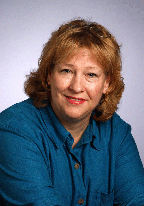 |
| Donna Walls |
The connection between the environment and our health is clear. The alarm has been sounded about the harmful effects of many toxic chemicals. Now parents need to take action.
How can we protect out families from these ever-present chemicals. The answer is clear- start at home. We can create a safer, “greener” home by following these steps:
- Switch to non-chemical, basic cleaning products. This is safe and less expensive. For most basic cleaning you can use white vinegar. Dilute in half with water for cleaning kitchen and bath. If scrubbing is needed- sprinkle baking soda on the surface, add water to make a paste for simple, effective scrub. Lemon juice is also a great disinfectant for kitchen counters and cutting boards.
- AVOID anti-bacterial products. These have not been shown to be anymore effective than plain soap and water and most contain triclosan, a dangerous chemical linked to hormone disruption. If you are looking for a safe “away from home” hand sanitizer, mix 20-30 drops of lavender essential oil in 1 oz water. Spritz on hands, no need to rinse.
- Personal care products are a hidden source of harmful chemicals. They often look and smell so good, it’s hard to believe that many of them can cause cancer, hormone disruption affect our immune systems. Minimize the use of these products for babies and children. Read the labels of all products before you use them and use only products that do not contain any paraben, phthalate, dye, fragrance or preservatives like EDTA. A simple tip- for dry skin use olive oil instead of expensive lotions.
- Get rid of the plastics! This one is a big one. We are surrounded by plastics, but make every effort to switch to glass or ceramic cookware, storage containers and serving dishes. Plastics have been shown to release harmful chemicals into our food, especially when the food is warm or hot. A good investment is in glass kitchenware, wherever possible.
- Don’t be fooled by those good-smelling air fresheners. Most contain formaldehyde and other dangerous chemicals that increase the risks of asthma, ear infections and headaches. If you want the house to smell good- bring in some organic flowers, place a few drops of an essential oil on a cotton ball an place on a table or desk or simmer some aromatic seeds or citrus rinds to a fresh, clean, non-toxic aroma. Remember, plants like philodendron and spider plants are also great natural air cleaners.
- Avoid all insecticides and herbicides for your lawn and especially in your home. Since the 1960’ we have know about the dangers of these products, but they remain a staple of our everyday life and most people feel they are safe. Research shows the use of these chemicals are linked to asthma, mood and behavior problems, cancer and now interfering with our bodies ability to use insulin correctly, contributing to the sky rocketing rates of diabetes. Switch to organic lawn care products and use only non-toxic products in the house. Trying to get rid of ants? A few drops of a citrus essential oil in vinegar will do the trick. Choose organic foods whenever possible to avoid these exposures through food sources.
- Organic sheets, towels and infant clothing are available in more stores than ever. It’s worth a bit more to keep your children from exposures to dyes, flame retardants or formaldehyde.
- For more information check out www.EWG.org and www.HealthyChild.org and start a healthier more “eco-friendly” life today!!
Tuesday, August 31, 2010
3rd Party Reimbursement for Doulas ~ The A, B, C's
Welcome Guest Blogger April Kline! She shares with us how to unravel the mystery of 3rd Party Reimbursement!
Earlier today, I had a conversation with a friend who is a hypnobirthing professional. She isn’t a doula, but she was telling me about a birth she recently attended for a woman who did not have a doula. My friend commented that she could not believe the amount of love and energy it requires to be truly with a woman in her pregnancy and birth. She said she had a new respect for doulas and the work they do.
I don’t think any of us would argue that the work of a doula is necessary and important. All doulas can surely agree that this work is a labor of love, with many hours and untold amounts of energy poured into one woman’s pregnancy and birth. But what we do not always agree upon is whether there is a monetary amount that should be attached to the work we do. Doula fees vary widely from region to region, but even within a geographic area, prices vary from free to the top amount a given market will bear. Some doulas seem to think affixing a price to their services somehow lessens the sacredness of what we do. Others are much more practical and won’t even entertain the idea of working with a client who cannot pay their fee.
I believe an educated and experienced doula’s services are priceless. Since priceless is not an amount most clients can afford, I believe that we, as doulas, need to set our fees within the market of our region and in keeping with our education and experience. If we consistently charge anything less, we are only encouraging the belief that we are not professionals and that what we do is not valuable.
That said, there are several options we can offer clients that may make paying our fees a bit easier. The most common of these is to offer a sliding scale according to need. Most doulas offer some variation of this. Another option is to incorporate a specified number of free births you are willing to offer per year. It may be possible to write at least portions of these free births off as charitable work under some special circumstances, so check with your accountant if you are planning to incorporate this into your practice.
The other option is not so common, but is a growing trend. Over twenty insurance companies have begun paying for doula services and, now that there is a CPT code covering doula services, this is more of a possibility than ever before. (CPT stands for Current Procedural Terminology, and is a copyright of the American Medical Association.) The CPT code commonly used to claim doula services is 99499 for Evaluation and Management Services/Labor Support.
The fact that their insurance company might reimburse at least some portion of the fee for your services might make you attractive to a group of potential clients who might not have been interested before. Getting reimbursement for doula services requires patience and persistence, but it can be done. If you are going to offer this as a possibility for your clients, you will also need to be willing to offer some guidance and, most likely, a fair amount of support, as they attempt to get reimbursed.
The following is a partial list of insurance companies have reimbursed in whole or in part for doula services.
AltPro
Baylor Health Care System/WEB TPA
Blue Cross/Blue Shield
Blue Cross/ Blue Shield PPO
Cigna
Degussa, a German Chemical Company
Elmcare, LLC, C/O North American Medical Management
Foundation for Medical Care
Fortis Insurance
Glencare Managed Health Inc.
Great-West Life & Annuity Ins. Co.
HNTB (Peoria , IL
Humana Employers Health
Lutheran General Physician's Organization
Maritime Life
Medical Mutual
Oschner HMO, Louisiana
Professional Benefits Administrators
Prudential Healthcare
Qualchoice
Summit Management Services, Inc
Travelers
United HealthCare of Georgia (San Antonio
United Health POS
Wausau Benefits, Inc
So, you say you want to help your clients get insurance reimbursement. How do you go about making this happen? Let’s get down to the nitty-gritty.
Step 1:
Before you offer to help clients get insurance reimbursements, you will want to get your own National Provider Identification (NPI) number. In October of 2009, a new taxonomy code for doulas was approved by the National Uniform Claim Committee. This code allows certified birth and postpartum doulas to register for their own NPI number which makes it possible to submit to Medicaid and third-party insurance companies for reimbursement. According to the International Childbirth Education Association (ICEA), the new taxonomy code is 374J00000X and is called Doula under the heading of Nursing Service Related Providers Type. ICEA goes on to state, “While the term Doula is listed under the Nursing heading, RN or LPN licensure are not required to obtain the NPI number. The description includes the services of antepartum, labor doulas, and postpartum doulas.”
A definition of doula work is included on the National Uniform Claim Committee website: “Doulas work in a variety of settings and have been trained to provide physical, emotional, and information support to a mother before, during, and just after birth and/or provide emotional and practical support to a mother during the postpartum period.”
Applying for your own NPI number is simple and will only take you a few minutes online if you follow these instructions.
- Log on to the National Plan & Provider Enumeration System website at https://nppes.cms.hhs.gov/NPPES/StaticForward.do?forward=static.instructions
- Read over the required information and follow the links for applying for an NPI number
- Complete the online application
- Wait a few minutes, and an email will come to you with your very own NPI number
Yes, it really is that simple. And yes, it will make insurance companies and even Medicaid take you much more seriously.
Step 2:
Make an information sheet for your clients outlining the steps they should take to make reimbursement most likely. Note that it is best to have your clients pay you directly in full, and then attempt to get reimbursement from the insurance company for themselves. I strongly advise against offering to wait for payment until the insurance company pays your client. I even more strongly advise you against dealing with your client’s insurance companies directly – it is no fun and can leave you unpaid in the end.
The following is a thorough and easy-to-follow sample outline you can share with your clients. This outline describes the steps they can take to help them get reimbursed by their insurance companies for your doula services.
How to Request Insurance Reimbursement for Doula Services
___ Pay your doula in full.
___ Get an invoice from her which includes the following information:
a. The doula's name and address
b. Her social security number/taxpayer ID number or NPI number
c. The date and location services were provided
d. The CPT code for the services provided
e. A diagnosis code
f. The doula's signature
___ Submit the invoice with a claim form to your insurance company.
___ Within four weeks, expect a letter telling you either that
a. They need more information before they can process your claim.
b. This is not a covered expense.
___ Ask your Doula to send you the following:
a. A copy of her certification (if she is certified)
b. Other credentials or relevant training
c. A letter detailing her training and experience and what she did for you
___ If possible, ask your obstetrician or midwife for a letter explaining why a doula helped you, was necessary, or saved the insurance company money. (Did you have a high-risk pregnancy? Did the doula's suggestions appear to prevent complications or help your labor to progress more quickly? Did the doula's presence decrease your need for expensive pain medications?)
___ Write a letter explaining why you felt the need for a doula and how you believe the doula was beneficial to your health.
___ Submit to your insurance company: the doula's letter and credentials the letter from the doctor your cover letter
___ If they refuse it, write a letter to Health Services requesting that they review the claim, as you feel it was a cost-cutting measure and they should cover the cost.
___ Follow up by telephone if necessary.
___ If they refuse, write a letter to the CEO explaining why you feel that doula care should be a covered expense. They may not pay your claim, but they will consider it for the future. (Kelli Way
Step 3:
Write a sample letter upon which your clients can base their own letters to their insurance companies. The following is an example of the letter that I have used with success.
To Whom It May Concern,
[Client's name], who is insured through your company, has retained my services to assist in the birth of her [number of birth] baby. [Client’s name] has hired me because she [include detailed information about the benefit your client was looking for: fewer interventions, expertise with VBACs, special assistance avoiding a particular procedure, etc.]. [Include other pertinent details here that might be persuasive to the insurance company including: how many hours you spent with your client in prenatals, at the birth and postpartum, exact services you provided, etc.]
Eleven controlled medical studies have shown that women who give birth with consistent doula support undergo fewer interventions including epidurals, forceps and vacuum-assisted deliveries, and c-sections, often have shorter labors, typically have shorter hospital stays, and overwhelmingly rate their labors and births with higher levels of satisfaction than women who do not have this support. Babies of mothers who are supported by doulas often experience less interventions and spend less time in the nursery or neonatal intensive care unit than babies born without doulas.
As a certified doula through [name of certifying organization] since [year of certification], I am uniquely qualified to provide the services [client name] was seeking. The CPT code for the services I provided is [CPT code]. My doula license number is [license number] and my NPI number is [NPI number].
If you need any additional information to pay this claim, please feel free to contact me at [your phone and/or email address].
Sincerely,
[Your name]
And there you go! Now you know how to offer assistance with insurance reimbursement to your clients. This can be helpful not only to your clients, but also to you as you grow your doula business.
Subscribe to:
Posts (Atom)